
Pre-Primary (Baby Class – STD 1)
English-medium early years built on play-based discovery. Children develop early literacy and numeracy, curiosity and the habits of an attentive, independent learner before moving into primary school.
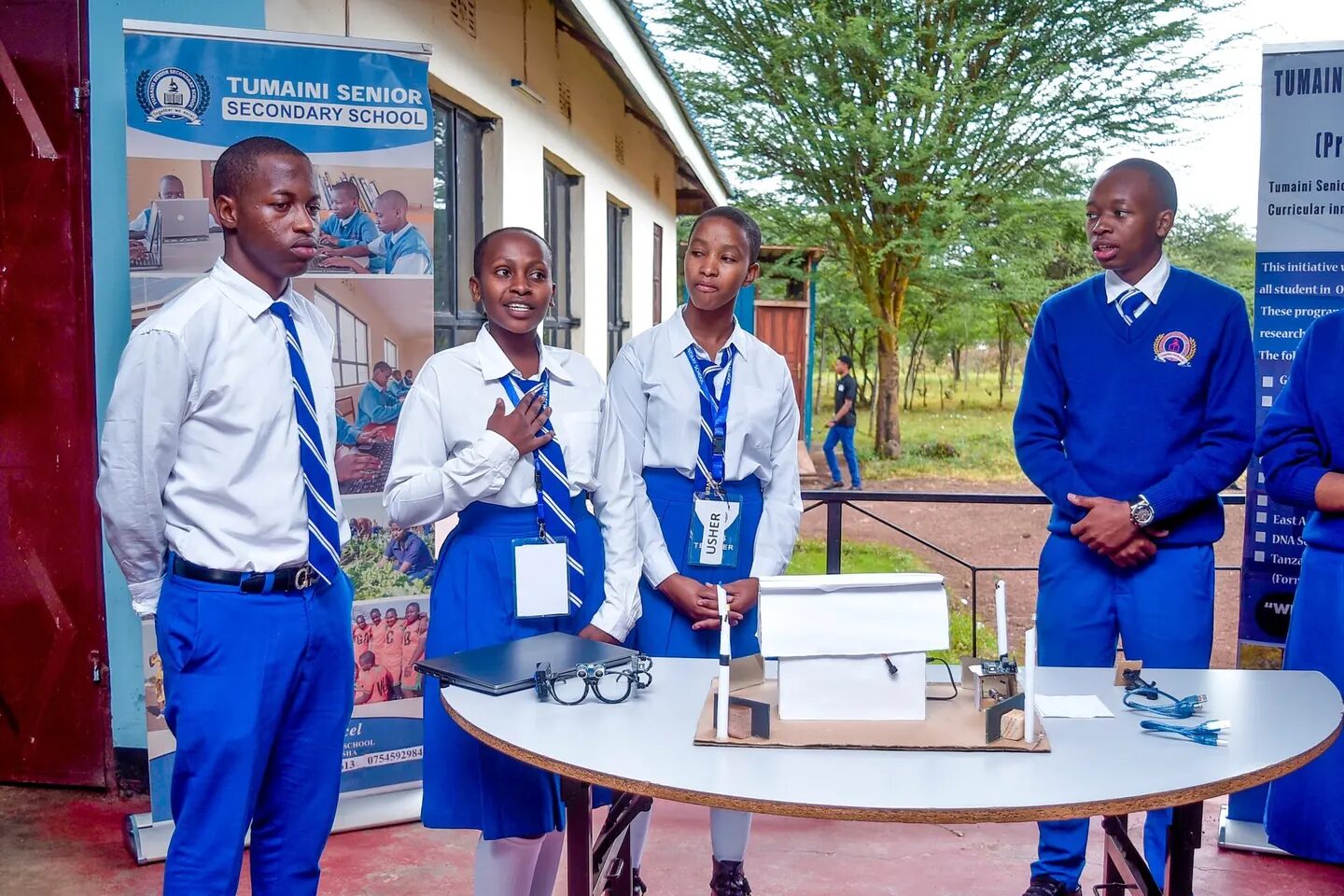
English-medium instruction from Pre-Unit to A-Level, a deliberate STEM focus and examination preparation that has delivered a 100% pass rate at CSEE, ACSEE and PSLE.
Each stage is designed around what learners of that age need: security and play, then foundations, then depth, then the independence that university demands.
English-medium early years built on play-based discovery. Children develop early literacy and numeracy, curiosity and the habits of an attentive, independent learner before moving into primary school.
The national primary curriculum taught in English, strengthened by reading, practical science work and project-based learning. Our 2025 PSLE results show 92% of pupils at Grade A, a 100% pass rate and eight pupils in the national Top 100.
CSEE preparation with a deliberate focus on science, technology, engineering and mathematics, supported by the computer laboratory, the library and the sustainable gardens used for practical work.
ACSEE preparation for university entry, with a focus on sciences and mathematics, structured study supervision in the boarding houses and mentoring that keeps every learner on track for the final examinations.
The curriculum is the same across the group. The way it is taught is what the Tumaini name stands for.
Every lesson follows the national syllabus. Depth comes from the discipline of the timetable: concepts are revisited, practised and examined until they are genuinely understood.
Science is not only written in a textbook. Learners work in the laboratory, grow and measure crops in the sustainable gardens, and use the computer laboratory for coding and digital literacy.
A dedicated computer laboratory gives every learner hands-on time with technology — from keyboard fluency and research skills to introductory programming and project work.
A well-stocked library and reading corners at every level build the reading habits that carry learners through secondary school and university.
Classrooms are supported by the specialist spaces that make abstract ideas concrete.
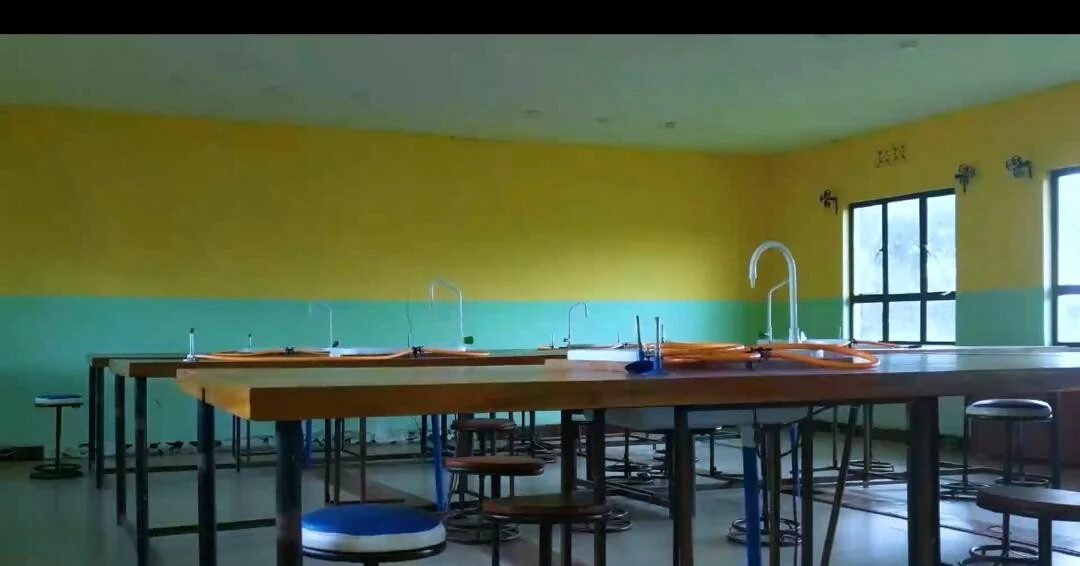
Practical work in the laboratory and the sustainable gardens.
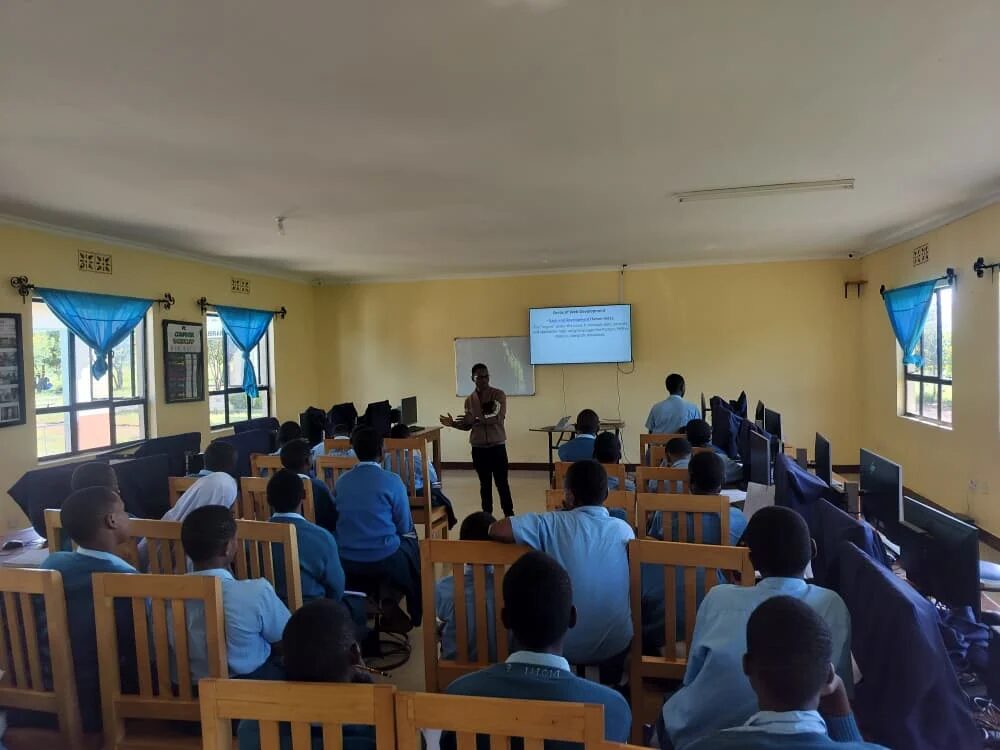
Coding, digital literacy and research skills for every learner.
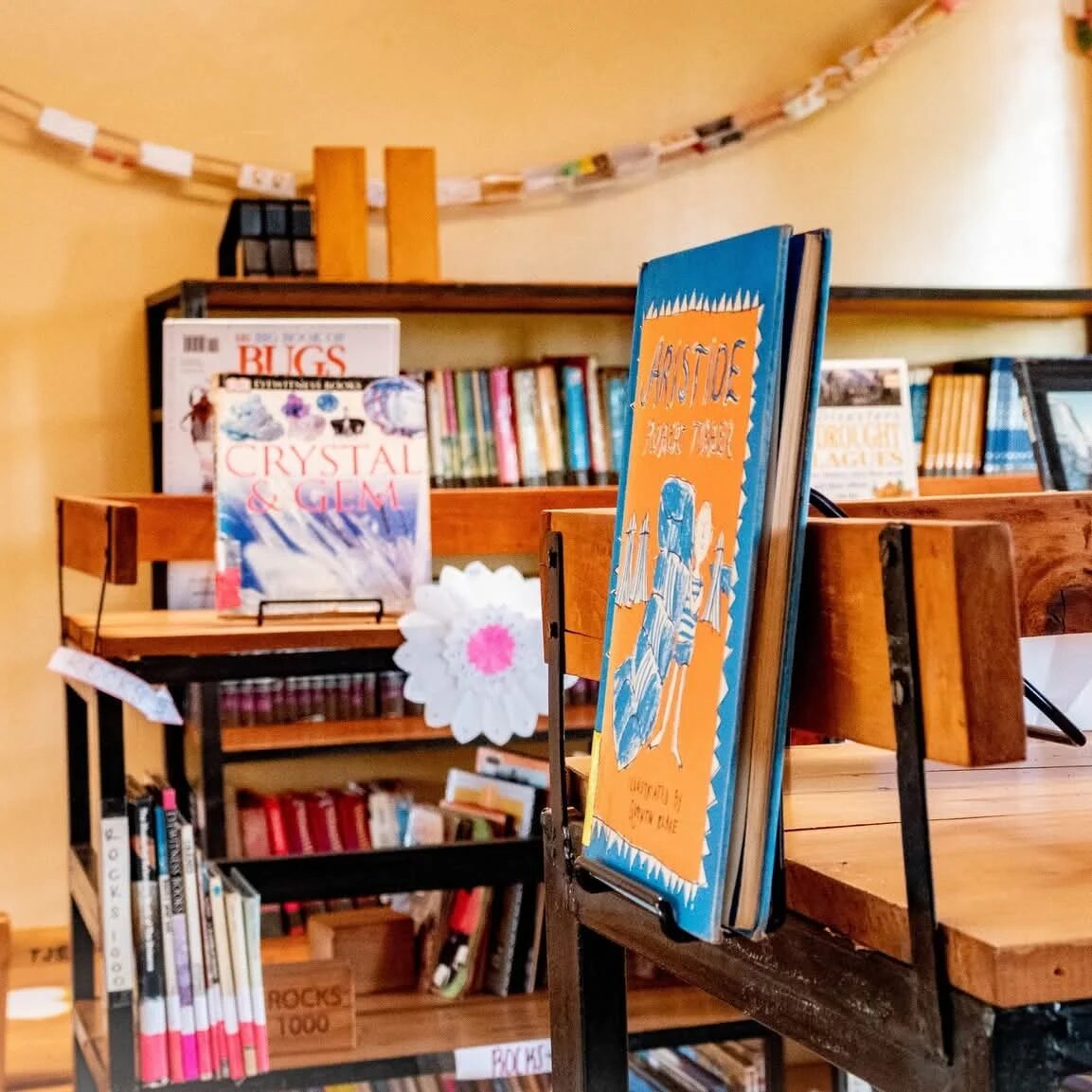
Reading resources and study space for independent work.
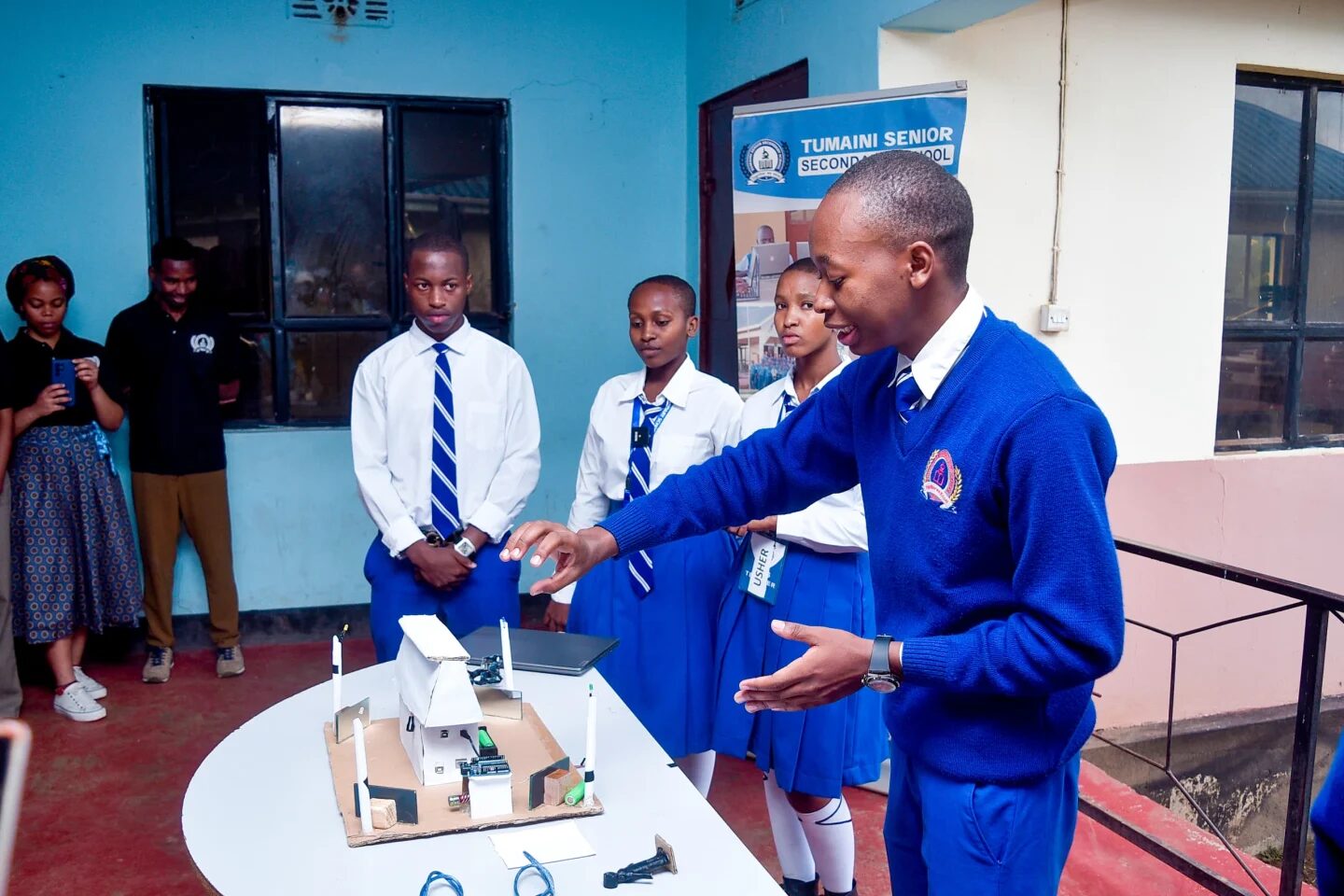
Project-based learning that puts theory into practice.
The 2025 public examinations across all three levels of the group.
Applications for all levels are open now — choose the school, pick the class and complete the form in a few minutes.